What is a Resident Experience Platform and Why It Matters Now
The Industry has a Naming Problem
Over the last decade, residential building operators have been sold a long list of tools:
Property management systems (PMS)
Resident portals
Content Management Systems (CMS)
Repair & Maintenance tools
Communication layers
Payment platforms
Application forms & lease execution platforms
Many of these products promise 'better resident experience.'
Very few actually deliver it.
The problem isn’t intent.
It’s definition.
Before we can improve resident experience, we need to be clear about what it actually is, and what it is not.
Resident Experience is not a Feature
Resident experience is often treated like an add-on:
A nicer UI
A branded app
A few community posts
An events calendar
These things may look good in a demo. They rarely change behaviour.
True resident experience is not something residents use.
It’s something they feel.
It’s the difference between:
Feeling informed vs. feeling ignored
Feeling welcomed vs. feeling processed
Feeling supported vs. feeling managed
Experience emerges from every interaction a resident has with a building, a team, and a system, especially when something goes wrong.
From Transactions to Relationships
Most residential technology is designed around transactions:
Request submitted
Task assigned
Task closed
That approach optimises for operational visibility but not for human outcomes.
A resident experience platform starts from a different question:
“What does this moment feel like for the resident, and how does it impact trust?”
This applies to:
Moving in
Reporting an issue
Receiving an announcement
Booking a shared space
Engaging with neighbours
Communicating with staff
Experience is cumulative.
Small moments compound positively or negatively.
So what is a Resident Experience Platform?
A resident experience platform is not a replacement for a PMS.
It is not a standalone community app.
It is not a marketing layer.
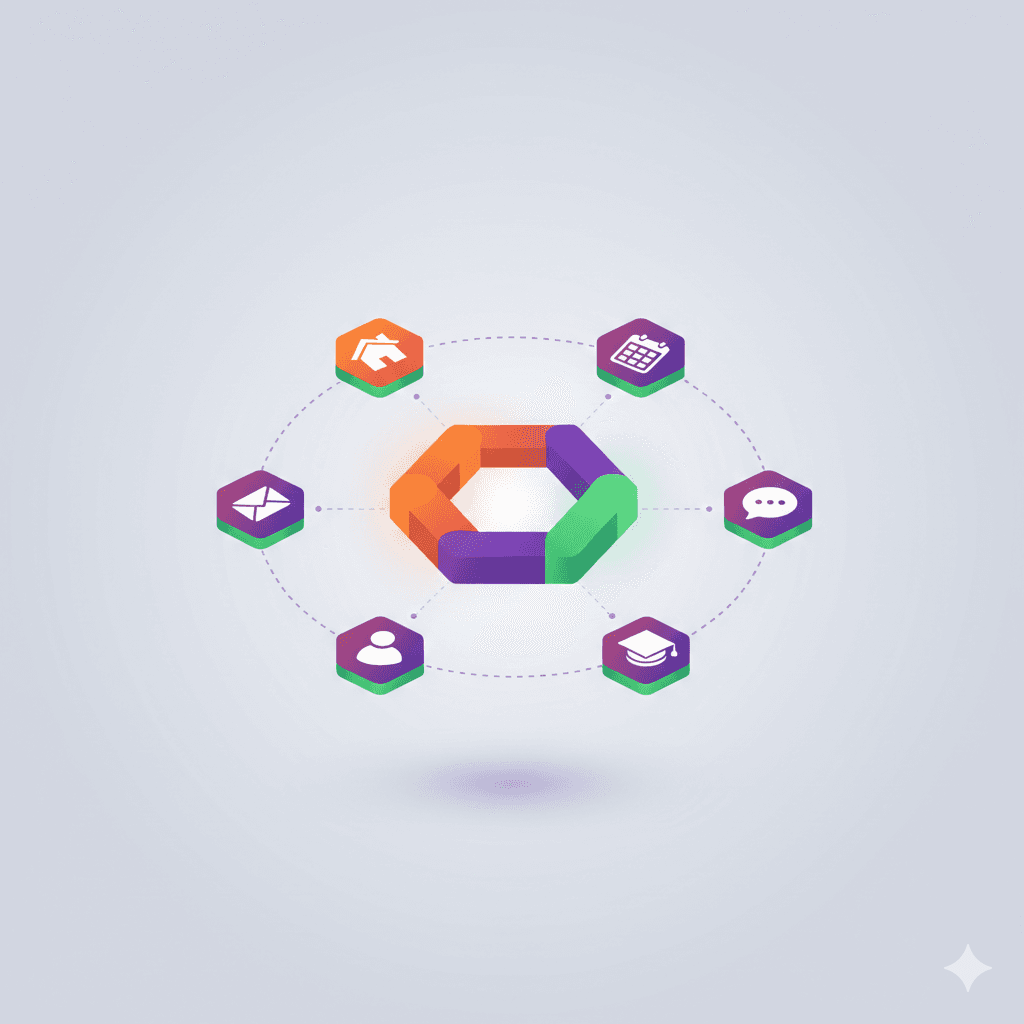
At its core, a resident experience platform is the system that orchestrates how residents experience their building day-to-day, across:
Communication
Service delivery
Onboarding
Engagement
Community touchpoints
It connects operational execution with human outcomes.
Where a PMS answers:
“Is the building running?”
A resident experience platform answers:
“How does it feel to live here?”
Why this Category is Emerging Now
This category couldn’t have existed meaningfully ten years ago.
Three things have changed:
1. Resident expectations have shifted
People now expect:
Clear, timely communication
Simple digital interactions
Personalisation without friction
Not because of property but because of every other product they use daily.
2. Operators are under more pressure
Rising costs, tighter margins, and higher expectations mean:
Teams are stretched
Retention matters more than ever
'Good enough' systems become liabilities
Experience is no longer a “nice to have.” It directly impacts operational outcomes.
3. The limits of the PMS are clear
PMS platforms are essential but they were never designed to:
Foster connection
Shape resident perception
Support community-building
Trying to force experience outcomes through systems built for accounting and compliance creates friction for everyone.
Why Portals and Apps keep failing
Many resident-facing tools fail for the same reasons:
They’re built around operator convenience, not resident behaviour
They require too much effort for too little value
They feel disconnected from real life in the building
Residents don’t want:
Another login
Another notification
Another noisy application
They want interactions that feel:
Relevant
Timely
Human
Experience isn’t about more touchpoints.
It’s about better ones.
The Operator’s Dilemma
Operators are often stuck in the middle:
Responsible for resident satisfaction
Constrained by fragmented systems
Measured on outcomes they can’t fully control
Many teams care deeply about resident experience.
They just don’t have the tools to deliver it consistently at scale.
A resident experience platform should:
Reduce cognitive load for teams
Create clarity, not complexity
Make good service easier not harder
If the platform requires heroic effort to use, it’s already failed.
Where Matter Fits
Matter is being built specifically as a resident experience platform; not a portal, not a bolt-on, not a thin engagement layer.
That means:
Experience is designed into the workflow, not added afterward
Operators and residents are supported simultaneously
Operational efficiency and human outcomes are treated as connected, not competing
We believe experience platforms should:
Simplify the tech stack, not expand it
Replace fragmentation with cohesion
Help teams deliver consistency without losing warmth
Experience is the Strategy
Residential operators who will win in the next decade won’t be those with the most features.
They’ll be the ones who:
Create places people want to stay
Build trust through everyday interactions
Treat experience as infrastructure, not marketing
A resident experience platform is how that strategy becomes executable.
In the next post, we’ll explore why resident experience now directly drives loyalty, retention, and long-term value and why hallway hellos matter more than most operators realise.
This is where experience stops being abstract and starts becoming measurable.